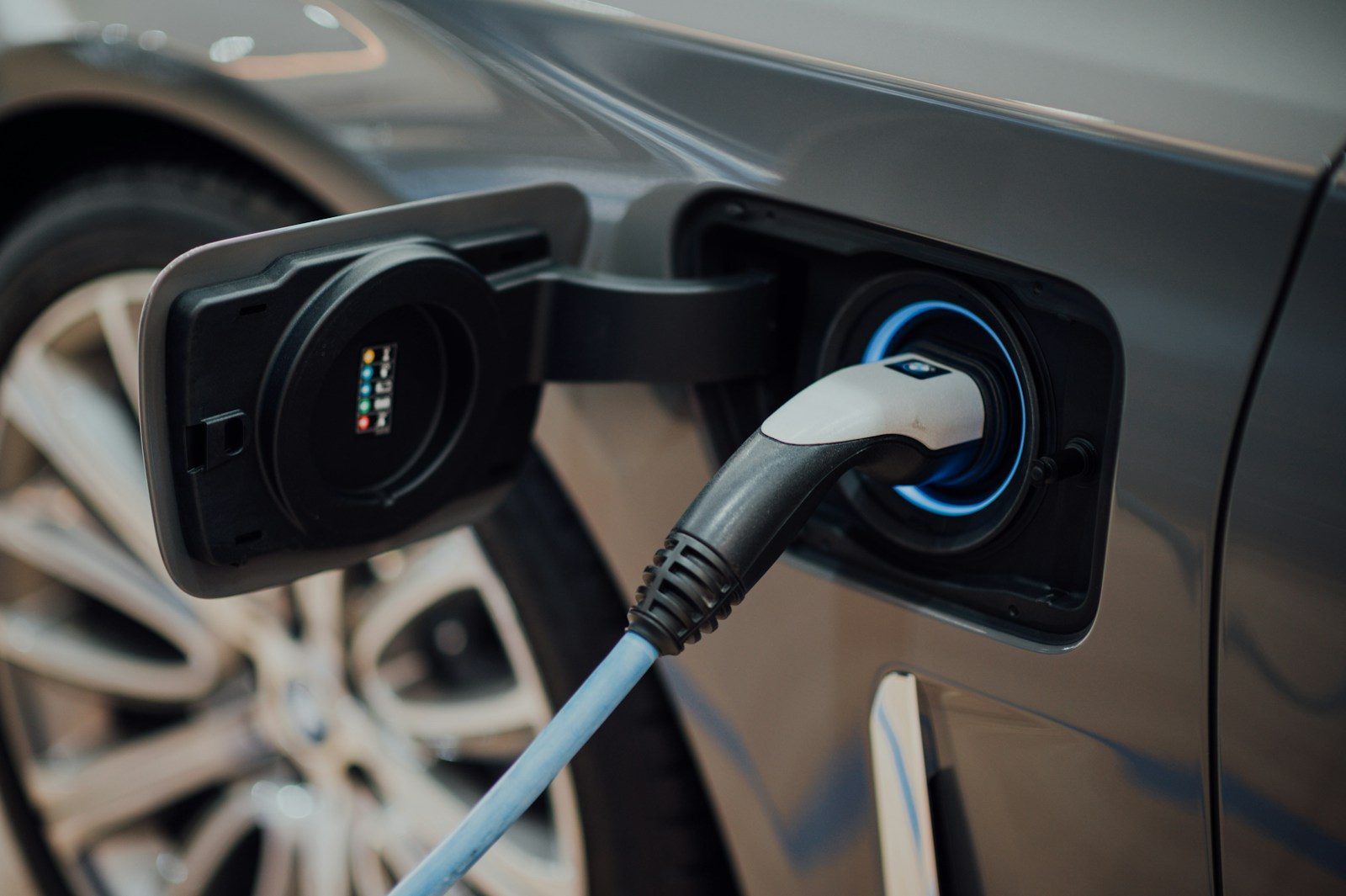
Getting your first electric vehicle (EV) charger set up at home can feel like a major step toward eco-friendly driving. But in Toronto, ignoring electrical rules or hurrying this process can turn your green upgrade into a headache – think expensive repairs, unsafe wiring, and failed inspections. If you want your installation to go smoothly and meet strict Ontario standards, avoid these 10 beginner mistakes that often cause problems for homeowners.
Overlooking Load Calculation and Electrical Panel Capacity
One big slip-up people make is adding a Level 2 charger without checking if their main electrical panel can handle the extra load. A lot of Toronto homes are older, with smaller electrical services – sometimes only 60 or 100 amps. Plugging in a 7kW charger without double-checking capacity may overload your system. This can cause flickering lights, tripped breakers, and even damage to your home’s equipment. To stay safe, ask your installer for a load calculation and go over possible solutions like upgrading your service, adding a subpanel, or installing a load management device. For more details or to get help with “ev charger installation toronto“, you can visit this professional service.
Skipping Out on the Permit
It might be tempting to save time and money by skipping electrical permits but that’s risky. Every EV charger installed in Toronto must meet the Ontario Electrical Safety Code, and requires a permit from the Electrical Safety Authority (ESA). If you bypass this, your insurance may not cover electrical incidents, and you could open the door to potential hazards. The solution is simple: use a licensed electrician who will pull the permits and book an ESA inspection before your charger gets switched on.
Not Using a Dedicated Circuit
A reliable and safe EV charging setup needs its own dedicated circuit. Trying to share an existing circuit – like plugging into a dryer outlet without proper checks or splicing into nearby wiring – might seem like an easy fix but it can cause overheating or even a fire. Shared circuits are one of the top reasons home installations fail inspections in Toronto. Always make sure your electrician installs a separate circuit and breaker rated for your specific charger.
Choosing the Wrong Cable Size or Ignoring Environmental Factors
Selecting the right wire gauge and conduit is key, especially in a city like Toronto where temperatures shift dramatically throughout the year. Using too-small wires (to cut costs) or disregarding weather can cause voltage drops, electrical losses, or even overheating. Don’t hesitate to ask your installer about how they’re sizing the wires, their chosen cable route, and how they’re factoring in things like distance and seasonal temperature swings.
Placing the Charger in an Inconvenient or Unsafe Spot
A charger mounted in the wrong place can quickly become a hassle. If the cable doesn’t reach your car easily, if it’s a trip hazard, or if there’s nowhere to store the cord neatly, you’ll regret it every day. Before deciding on a location, picture how you park, which side your EV charges on, and if you might own more than one EV in the future. Good installers will help you think ahead and offer cable management solutions.
Hiring the Wrong Installer
This type of work is far more complex than simple household electrical jobs – it requires a strong understanding of EV technology, local codes, and important safety steps. If your installer isn’t properly licensed or doesn’t have specific EV charger experience, you could be left with risky wiring that not only fails inspection, but may also be a fire hazard. To avoid stress and ensure safety, always hire an electrician who is licensed and familiar with EV charger setups.
Ignoring Electrical Panel Limitations
Sometimes, homeowners try to squeeze their new charger onto an already-maxed-out panel, leading to half-baked “solutions” that don’t pass inspection or function reliably. In many Toronto homes, panel upgrades or service increases are needed before you can add a charger. Be proactive: ask your installer to review your main panel and, if needed, plan early for necessary upgrades.
Not Checking Charging Cable Length Before Buying
Overlooking cable length is a simple yet costly mistake. If you buy a charger without checking whether the cable will comfortably reach from your wall to your car’s charging port, you may end up paying extra for an additional cable or a different unit altogether. Always measure the distance you’ll need, and consider buying a charger with a detachable cable if your parking setup may change in the future.
Relying Only on Wi-Fi Connectivity
Smart chargers often feature app connectivity and other handy features that depend on a steady internet connection. In garages or basements, however, Wi-Fi is often patchy or unstable. This means your charger might lose smart features right when you need them. For reliable performance, ask your installer to run a hardwired Ethernet line to the charger so it stays online, even if your Wi-Fi drops out.
Choosing the Cheapest Installer
Saving a few dollars upfront can cost you more later if the work isn’t up to code or corners are cut. A top-notch installer won’t just wire up your charger – they’ll calculate your household electrical load, fine-tune safety settings, correctly mount monitoring equipment, and set things up so future chargers are easy to add. It’s better to choose a professional who does things the right way from the start.
By steering clear of these 10 rookie errors, Toronto homeowners can have confidence in their EV charger installation – safe, up to code, and ready for daily use for years to come. From checking your panel’s capacity and mapping out the perfect location, to working with trusted local professionals, each step matters. Always rely on expert support to ensure your investment is protected and your EV charging experience is smooth.