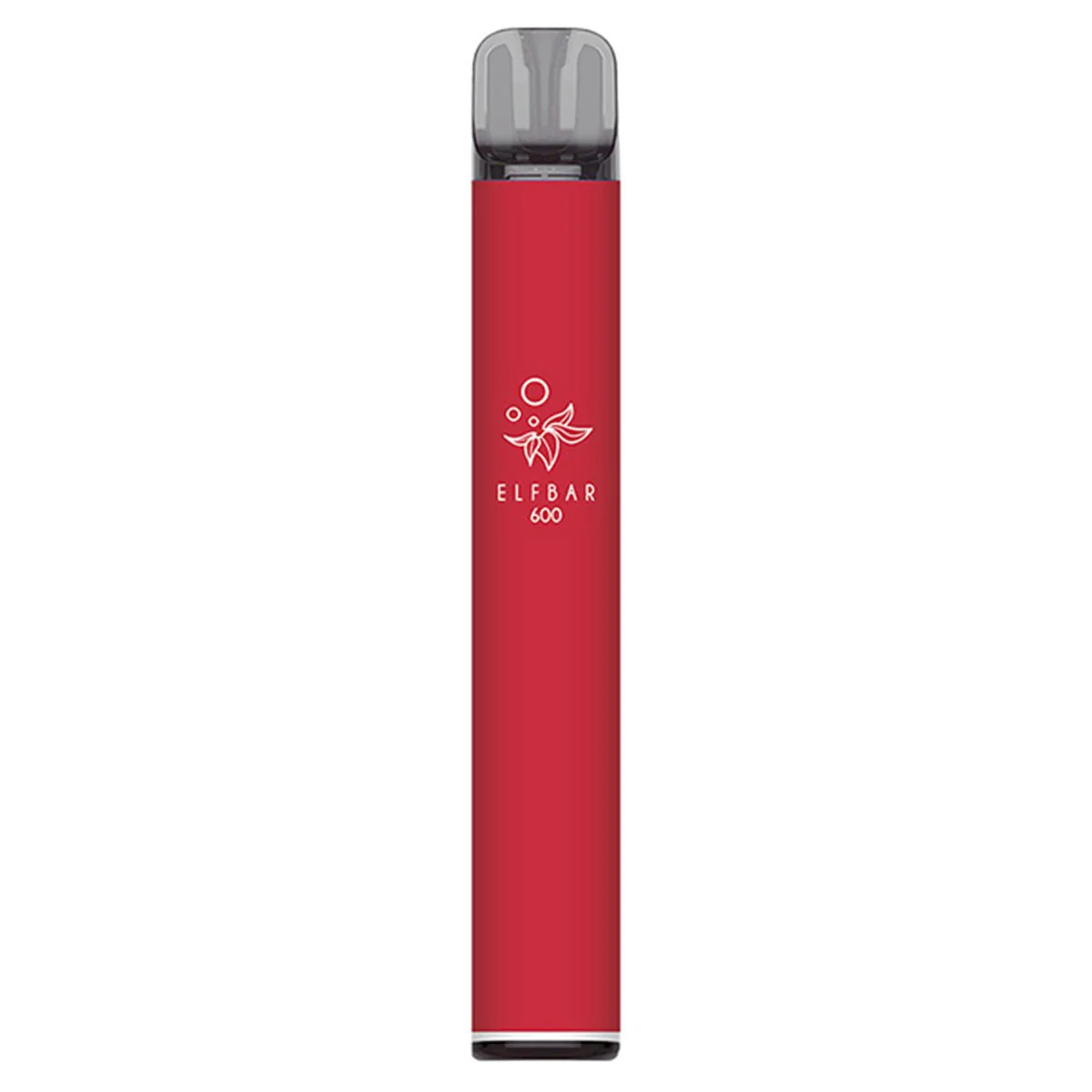
Germany’s vaping scene is changing quickly, with devices like Elfbar disposable vapes gaining attention as alternatives to classic refillable e-cigarettes. Both are seen as much safer than tobacco, but each brings its own set of concerns, especially about youth appeal and waste. As interest grows, many German smokers weighing their options will come across the Elfbar brand, which is shaping the direction of vaping in Germany by offering a hassle-free, user-friendly experience.
Germany’s Changing Attitude Toward Smoking and Vaping
Across Germany, there’s been a gradual movement away from traditional smoking toward new electronic solutions. By late 2023, about 2.2% of Germans reported using e-cigarettes – much fewer than those who still smoke cigarettes. Despite this small group, it’s clear that both refillable e-cigarettes and disposables like Elfbar are competing for attention, pushing people to decide what fits better within German mindsets about health, rules, and lifestyle. Their choices are influenced not just by how easy each device is to use, but also by what is legal and accepted in their communities.
How Health and Safety Stack Up
Most researchers agree that the vapor from Elfbar and other e-cigarettes contains far fewer harmful chemicals compared to regular cigarette smoke. Estimates suggest these devices may be about 95% less dangerous than smoking, although not everyone agrees on that exact number, and experts warn that long-term safety is still being studied. For people looking to lower their exposure to toxins, both Elfbar and other vaping options cut risk and help protect the heart and blood vessels compared to tobacco.
Still, looking specifically at Elfbar disposables and refillable e-cigarettes, things get trickier. With refillable models, users can pick their liquid, select their nicotine level, and know exactly what’s inside. Elfbar, on the other hand, comes pre-filled and sealed, which is convenient but less clear on what ingredients are used. So far, there’s not enough long-term evidence to say if Elfbars are healthier than regular vapes; there are also questions about unexplored vape chemicals and possible lung risks. Even the flavors and substances used, which are safe to eat, may cause throat or lung irritation when inhaled.
It’s also worth pointing out that even nicotine-free Elfbar products aren’t without risk – the act of vaping itself can cause inflammation in the airways. Since research on what happens after years of using these products is still underway, German health authorities recommend caution with both disposables and refillable vapes.
Strict German Laws and What They Mean for Vapers
Germany has some of the toughest vaping rules in Europe. Devices like the Elfbar fall under the EU’s Tobacco Products Directive and German law, which have a big say in what is sold and how.
What’s Allowed in Each Device
A key detail in Germany is the strict limit on how much liquid is allowed in disposables. Only 2ml can be filled into each Elfbar sold legally. Anything bigger, like the Elfbar 1500, is banned, meaning you won’t find those high-capacity models in German shops. This rule can frustrate people who’ve tried larger versions abroad and found them more satisfying, since the German limit can mean a weaker flavor or less punch.
How Traditional E-Cigarettes Compare
If you use a refillable vape, the rules are a bit different. Bottles for refilling can go up to 10ml, and the nicotine can be as strong as 20mg/ml. For most users, this means a refillable vape lasts much longer per purchase and may be a more practical approach if you want to keep using e-cigarettes for a while. It’s also more in line with German laws and less likely to mean accidentally breaking the rules by buying banned products.
Taxes and Packaging – The Small Print
Since 2022, Germany has taxed nicotine in e-liquids, with the cost per milliliter expected to rise from 20 cents in 2024 up to 30 cents by 2026. This tax makes refillable vapes more expensive over time, but they still might end up being cheaper than replacing single-use Elfbar devices every few days. Every product – whether it’s Elfbar or an e-liquid bottle – must carry a clear warning about nicotine addiction, with labels taking up large sections of the packaging. These pack warnings are written in German and are meant to remind buyers about the risks, no matter which device they choose.
Which Offers the Better User Experience?
Vapers in Germany get to choose between two main priorities: the simplicity of using a disposable like the Elfbar, or the versatility of a refillable vape.
Why Many Prefer Elfbar
Elfbar’s main benefit is convenience. Each device arrives ready to go – no buttons, refills, or charging needed. For people trying to quit cigarettes quickly or avoid the hassle of learning a new gadget, Elfbar is often their first pick. However, the usefulness of Elfbar is limited by the German 2ml law, and many say that German Elfbar models feel weaker than those bought in nearby countries. For some, this means taking more puffs to get the same satisfaction, which can end up being less enjoyable and potentially more expensive.
The Appeal of Refillable E-Cigarettes
Refillable systems give users much more control. You can fine-tune nicotine strength, try different flavors, and adjust power or vapor settings as you like. This experimentation is especially appealing in Germany, where quality and precision are highly valued. With larger refill bottles, users can keep vaping for weeks, whereas Elfbar owners may go through multiple devices in the same time frame. There’s also less waste for the environment – an increasing concern among many Germans.
The Impact on Society and the Environment
With its focus on recycling and sustainability, Germany pays close attention to the environmental side of vaping – especially disposables. Since Elfbars can only be used for a short time before being thrown away, there’s increasing worry about where all those batteries and plastics end up. Meanwhile, refillable devices generate far less waste. German rules limit vaping in public places, restaurants, and near playgrounds. Both Elfbar and traditional e-cigarette users must respect these regulations, as non-smokers’ protection is a top priority. The authorities also recommend only vaping in assigned smoking areas and never around children or pregnant women.
What’s Next for Vaping in Germany?
Looking ahead, it seems that refillable e-cigarettes will continue to be the main choice for German vapers. As the 2ml limit keeps bigger Elfbar models out of the market and nicotine taxes rise, refillable devices will likely remain more cost-effective and widely available. While disposables are great for new users and their ease of use is appealing, rising costs and growing concerns about waste and health may limit their long-term popularity.
German vapers will keep balancing the desire for less harm with the need to be economically and environmentally responsible. Both Elfbar and refillable e-cigarettes are much safer compared to smoking, and they help many people quit tobacco for good. Still, refillable options seem better suited for those seeking the best blend of value, reliability, and line with local values.
Making the Right Choice in Germany
For German users, the decision between Elfbar and refillable e-cigarettes ultimately comes down to what matters most: convenience or control, initial price or long-term savings, and personal lifestyle. With strong rules in place, a focus on clear labeling, and increasing attention to environmental concerns, Germany points users toward solutions that are both practical and responsible. For more information about Elfbar and the current vaping scene, it’s helpful to check reputable sources like Dampflager.
In the end, Germany’s evolving vaping culture will continue to favor devices that meet strict standards while offering vapers flexibility, safety, and peace of mind.