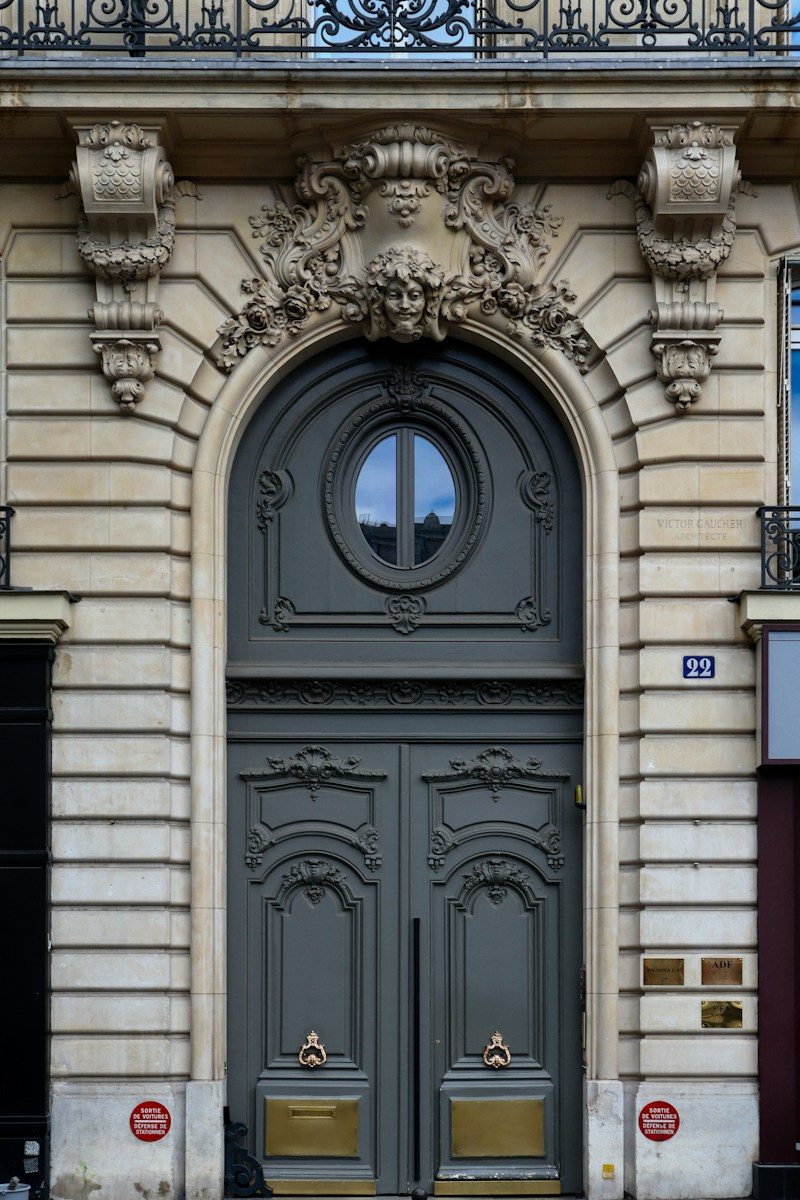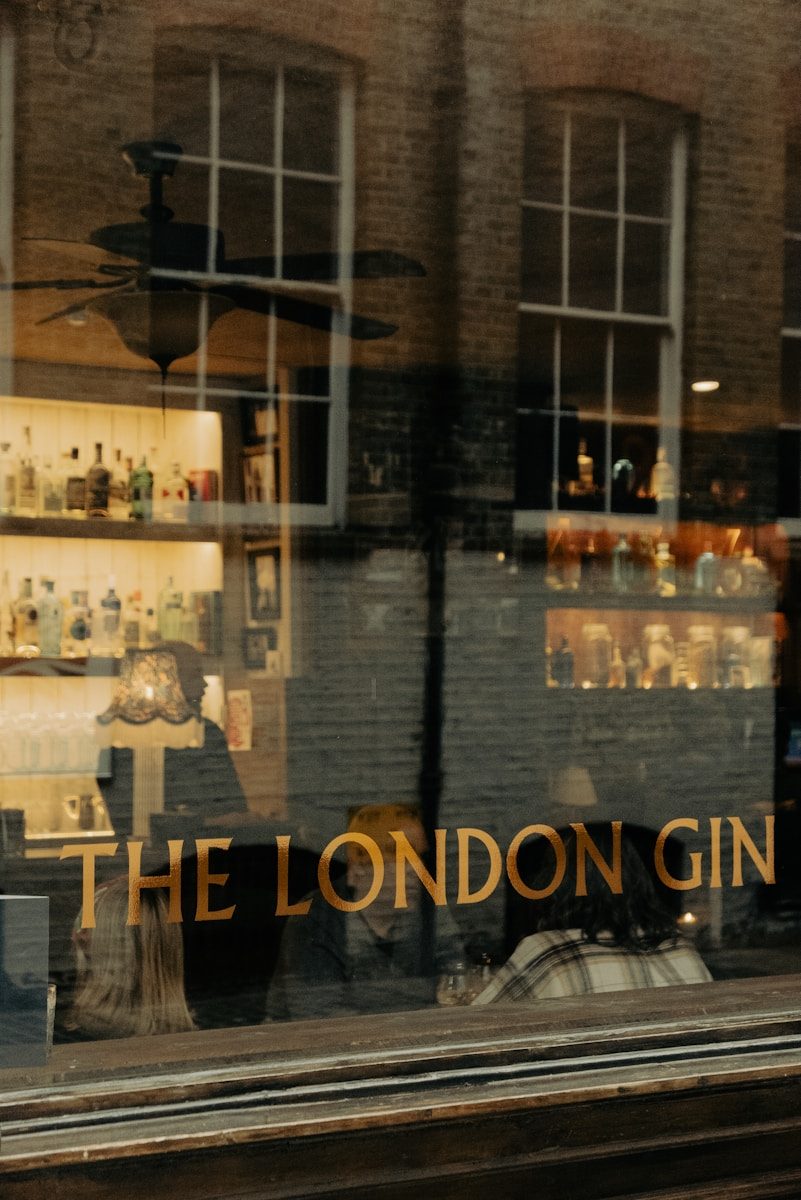
London’s weather isn’t something to avoid when photographing architecture – it’s what makes the city’s visuals truly unique. Those gray clouds, gentle drizzles, fog-laden mornings, and shifting light constantly reshape how buildings appear, the nuances in their materials, and how a photographer frames each shot. For anyone interested in documenting the city’s structures, learning to appreciate and work with overcast conditions can transform routine scenes into moody and polished images. The charm of Architectural Photography in London often comes from capturing real moments in its unpredictable climate, rather than waiting for elusive blue skies.
Many of London’s finest architectural photos owe their atmosphere to the very conditions some try to avoid – soft shadows, muted tones, shiny wet pavements, and a subtle color palette. Here, the weather isn’t just a background element – it adds to the character of every image and shapes the composition itself.
Making the Most of London’s Conditions
Good architectural photography highlights shape, structure, materials, and lines. Bright, direct sunlight can wash out details with harsh highlights and dense shadows, making it difficult to appreciate a building’s form and symmetry. London’s signature cloud cover helps by diffusing light across façades, reducing sharp contrasts, and allowing the essentials of each structure to stand out.
In a city where historical buildings made from stone and brick stand shoulder to shoulder with towers of glass and steel, this even lighting allows every material to look balanced and true to life. The intricate carvings of an old church and the crisp corners of a contemporary office block can both be recorded faithfully, without the harshness that midday sun brings. The result is a quieter, truer reflection of everyday London.
Gray Days: An Asset, Not a Hindrance
Where others might see a dull, monochrome sky, photographers discover opportunity. These clouds offer a neutral background, letting the focus settle on the building’s architecture instead of the weather overhead. A flat, consistent sky removes distractions, so towers, domes, bridges, or modern façades are clearly highlighted as the main subject.
Some of the most iconic and understated London buildings benefit from this softer atmosphere. The city’s renowned landmarks might be easy to recognize, but it’s the subtle structures that often sing in cloudy light – showing off their patterns, repeated elements, and carefully chosen materials. Without a dramatic sky to catch the eye, photographers are free to pay more attention to composition, proportion, and detail.
This subdued weather not only slows down the pace but also encourages more thoughtful image creation. Decisions like shifting your stance to clean up the background, changing the frame to accentuate certain design aspects, or capturing a broader scene to show the building in context, all become more meaningful. In a sense, London’s climate rewards careful, creative planning.
Types of Light That Suit London’s Buildings
Several lighting conditions in London work beautifully for architecture, each offering a unique mood.
Soft daylight under thick clouds is the most consistent for architectural images. It’s perfect for showing details on building fronts, entrances, interiors with large windows, or for highlighting commercial spaces. The light keeps everything evenly exposed, so every aspect of the structure can shine.
The golden hour, that brief time just after sunrise or before sunset, brings a golden warmth that can beautifully illuminate stone and brick. This is the moment for catching a more romantic, glowing side of the city, even if only for a few fleeting minutes between cloudy spells.
As night approaches, the blue hour casts a gorgeous hue over the city. When natural light fades and streetlights flicker on, London’s bridges, monuments, and towers suddenly appear cinematic, with color lingering in the sky and artificial lights painting out architectural shapes.
Don’t forget rain and mist. Wet streets act as mirrors, doubling façades and lamp posts for dramatic reflections. Mist has a way of simplifying the scene, isolating a structure, and giving it an almost dreamlike quality. These moments are ideal for both old and new architecture, especially if you’re aiming for atmosphere rather than just a clear record.
Practical Tips for Shooting in Overcast Weather
Photographing in London’s signature gray light isn’t about fighting what’s outside. The key is to adjust your approach. Focus exposure on the building, not on the pale sky. The clouds often lack detail, so keep your attention – and your camera’s settings – on preserving the look of the architecture.
Whenever possible, use a tripod. Overcast days, late evenings, or foggy scenes can be dim. Stabilizing your camera helps you use lower ISO and slow shutter speeds, keeping images crisp and detailed. It’s especially helpful when making small framing tweaks, which often make a big difference in architectural shots.
Embrace puddles, rivers, and other reflective surfaces after it rains. The shine from wet stone, glass, or water can double the visual impact, especially in locations like riverside walkways or busy intersections.
Watch your vertical lines. With softer light, it’s tempting to get casual, but tilting your camera can distort key features – and those crisp, upright lines are crucial for architectural storytelling. Since cloudy days minimize strong shadows, viewers naturally focus on structure, so accuracy with lines and perspective matters even more.
Places in London That Shine Under Cloud Cover
Some sites in London are particularly well served by subdued weather. Along the Thames, water reflects architecture and turns a string of buildings into a single, layered scene. Older areas filled with rows of stone-fronted homes and winding streets are perfect for overcast days, as every carved detail and textured surface is visible without distracting highlights or shadows.
Contemporary buildings, especially those with large glass sections, benefit from reduced glare and more controlled reflections on cloudy days. This makes a design more legible and prevents its intent from being lost in reflections or sun spots.
Indoor and transition spaces – like lobbies, staircases, or showrooms – also look stronger against the city’s cool outdoor light. Shots of entrances, atriums, and covered walkways can echo the mood outside, tying an interior story to the city landscape.
Why Local Photographers Appreciate London’s Climate
For those specializing in architectural photography across the city, London’s notoriously variable weather is more friend than foe. The gentle light on overcast days is practical and flattering, allowing consistent results with both historic and cutting-edge architecture, regardless of whether the sun appears.
Clients – architects, property developers, designers, and building owners – also benefit from this kind of approach. Instead of overwhelming drama, photographs gain clarity and focus on craft and detail. The visuals produced under these conditions are honest and appealing, emphasizing quality and design with a touch of mood.
Photographers with experience in the city, such as specialists who focus on both architecture and interiors, know how to read the changing light and harness it for each project. This ability to adapt makes the difference when the weather shifts quickly, ensuring the story and feeling of each space comes across naturally.
Embracing the City’s Grayness
The real trick to capturing memorable architecture in London is to stop worrying about gray skies and instead make them part of your style. These soft tones and gentle shadows flatter materials, calm the overall frame, and create an atmosphere that makes both historic and modern spaces feel authentic and alive.
If you want your images to set themselves apart, show London as it truly is. Use the muted skies to your advantage. Play with rain-drenched streets for creative reflections. Wait for the city’s evening glow to add drama. Let the changing weather become your partner in capturing stories – never an obstacle.
London’s cityscape was designed for changing skies. Its best photographs are, too.