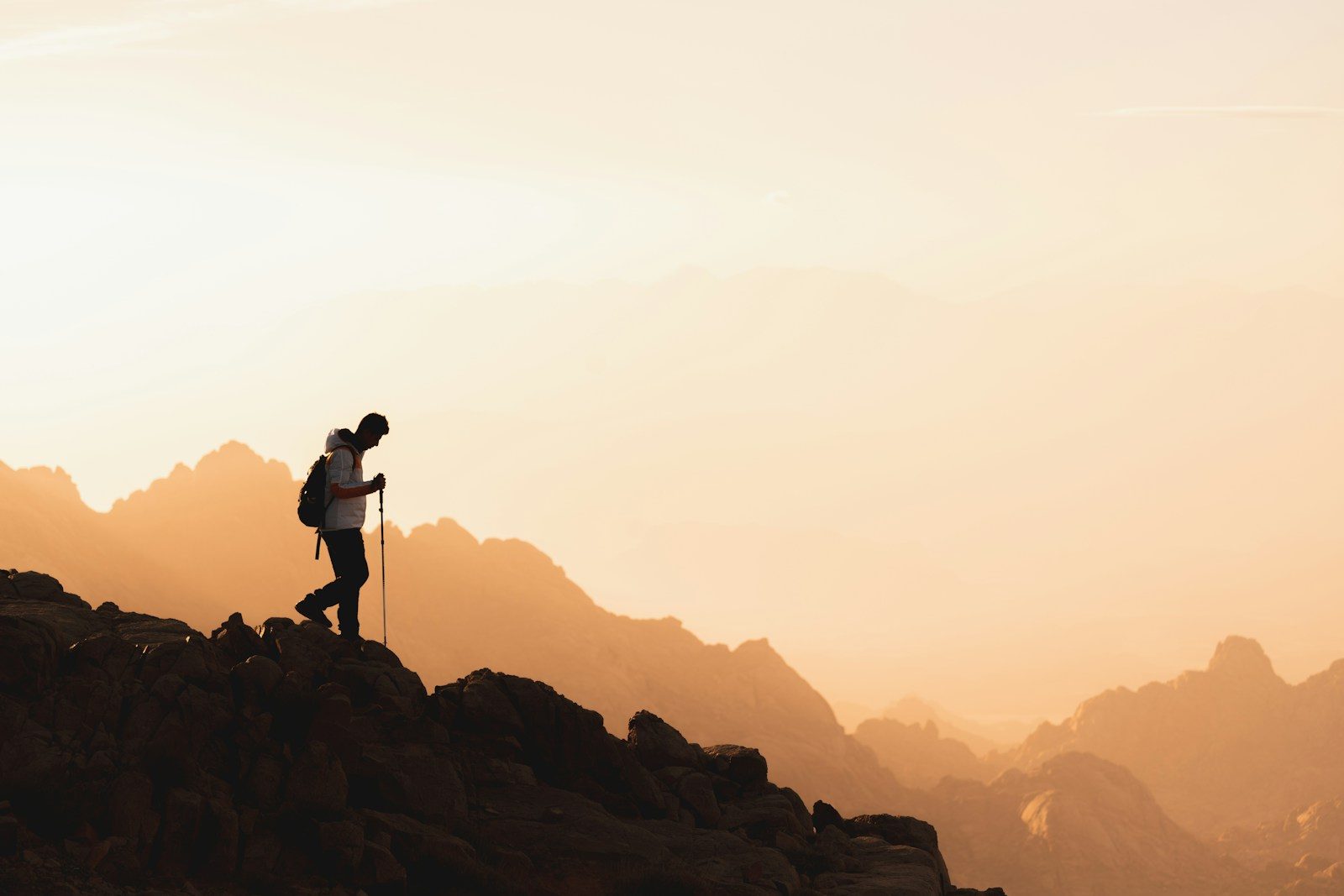
Reaching high peaks isn’t just about being fit; it’s about preparing properly for the challenges of thin air. When it comes to high elevations, the way you train can make all the difference. Most people now find that adaptive training – which blends personalized pre-acclimatization, step-by-step exposure, and tailored load management – often gets better results than standard programs that require you to live and train high for weeks at a time. For those looking for more guidance, exploring an adaptive training plan mountaineering approach can provide a flexible foundation.
Your choice really depends on your goal, access to mountains, and how much time you have. If you can dedicate several weeks to living at altitude, the classic methods can still be useful. But for most trekkers and climbers, adaptive training is easier to manage, offers more control, and is usually safer, especially when relocating to high altitude for a month just isn’t possible.
How High Altitude Changes Everything
Climbing above 3,000 meters means there’s less oxygen for your body – and you’ll feel it in every step. Recovery gets slower. Sleep isn’t as restful. Thinking clearly can even become a challenge. As you go higher, your body has to adjust by breathing more, shifting your heart rate, and eventually producing more red blood cells to help carry oxygen.
At major summits – especially in the 4,000 to 5,000 meter range or higher – acclimatizing matters just as much as being fit. For peaks above 6,000 meters, all major sources agree that you need both some altitude exposure before your trip and extra acclimatization time while you’re on the mountain.
The Classic: Traditional “Live High, Train High” Programs
The typical high-altitude program has you living and training at elevation, often for weeks. The thinking is simple: by staying up high, your body gets the maximum time to adapt to low-oxygen conditions. This regular exposure encourages your body to produce more EPO, boost red blood cell counts, and enhance oxygen delivery, which are all helpful on the mountain.
These programs have a few clear benefits:
- You’re getting used to the real conditions you’ll face.
- Constant exposure to altitude kickstarts the body’s adaptation.
- It’s proven to help with aerobic endurance at high elevations.
But there are some drawbacks. Your training intensity usually goes down at altitude since your body can’t work as hard without oxygen. Also, everyone adapts at a different pace – what works for one climber may not work for another. Add in the costs and logistics of long mountain trips, and it’s easy to see why this isn’t for everyone.
For most people, the biggest issue is time. To adapt well, you usually need at least two weeks at altitude, and for bigger goals, anywhere from three to six weeks is often recommended.
Adaptive Training: Personalizing Your Altitude Plan
Adaptive training doesn’t follow a single strict formula. Instead, it focuses on getting you ready for altitude in ways that fit your life and body. This could involve real mountain trips, using simulated altitude gear, weekends at high elevations, or even adjusting your plan as your fitness and schedule change.
The main idea? Show up at the base of the mountain already partway adapted. An adaptive approach might include:
- Short but regular stays at higher altitudes
- Sleeping or training with hypoxic (low-oxygen) tents
- Hill training and vertical mileage at home
- Timed periods of altitude exposure
- A careful taper just before you leave
This allows you to work specifically on your weak spots, whether that’s climbing endurance, adapting your breathing, getting better sleep at altitude, or controlling fatigue.
Adaptive Training Often Provides a Real-World Advantage
For most climbers and trekkers, adaptive training simply offers fewer risks and more flexibility. Rather than relying on a fixed camp setup, you can tweak your exposure to altitude, focus on areas you need most, and avoid overtraining. As training methods have evolved, step-by-step adaptation and personalization have become the gold standard – especially for those who can’t disappear into the mountains for long stretches.
Another bonus is that adaptive programs allow you to keep your hard-won fitness gains at sea level. With smart planning and the right taper, you avoid showing up exhausted when altitude is already going to slow you down. Adaptive methods are also practical: whether it’s weekends in the hills, sleeping higher, or using simulated altitude, you can tailor your preparation to your life.
For many, adaptive training isn’t a backup – it’s the only way to fit real preparation into a busy schedule while still arriving well-adapted.
Simulated Altitude and Getting Acclimatized Before You Go
Tools like hypoxic tents or altitude chambers can help you start adjusting before you ever leave home. If you can’t regularly access high places, intermittent exposure to lower oxygen can still help your body begin the critical process of acclimatization.
While these tools help, they aren’t foolproof. Their effectiveness comes down to how consistently and carefully you use them. Relying solely on simulated altitude probably won’t prevent altitude sickness or guarantee top performance, but as part of a broader adaptive plan, they can make your early days at elevation a lot easier.
Realistically, the best use of simulated altitude is to kick off your acclimatization in advance and smooth the transition once you’re on your trip.
Timing Is Everything in Acclimatization
One thing is clear: you can’t rush your body’s adaptation to altitude. Most experts recommend at least a two-week window if you want to perform your best at high elevations, and sometimes longer for the biggest climbs. Developing more red blood cells – a key adaptation – takes time, with three to four weeks typically needed for meaningful change.
It’s also important to ascend gradually after you reach the 3,000 meter threshold. Most advice says not to go much higher each day and to add acclimatization days as you climb. The smartest approach is steady exposure with plenty of rest and adjustment.
Fitness Is Important, But It Won’t Solve Everything
It’s a common belief that if you’re strong and fit, you’ll have no trouble at altitude. While fitness helps, high mountains introduce unique stresses that must be adapted to separately. The best mountain training plans blend fitness with acclimatization tactics.
This means focusing on:
- Solid aerobic training
- Specific work for hiking and climbing
- Strength routines, especially for heavy packs
- Structured exposure to altitude or hypoxia
- Keeping hydrated and well-nourished
- Good sleep routines
- Careful pacing and listening to your body
Adaptive training shines here, weaving these pieces into a single plan so you’re better prepared in every way.
Which Should You Choose?
For most modern climbers and trekkers, adaptive training stands out. It’s flexible, customizable, and easy to fit around busy lives without sacrificing your fitness or safety. It works especially well for anyone who can’t commit to several weeks at high elevation – and these days, that’s most people.
Still, the traditional approach has its place. If you have the luxury of time, access to mountains, and expert coaching, living and training high for weeks can be effective – especially for elite or highly focused training camps.
Often, the best solution is a hybrid: build a strong base where you live, fit in staged altitude or simulated exposure when you can, and make your final ascent gradual.
A Simple Takeaway for High-Altitude Success
When planning for extreme elevations, it’s smart to ask: How do I arrive both fit and acclimatized? Adaptive training usually offers the best balance. By preparing in advance and staying flexible, you aren’t counting on a long stay at altitude to solve every problem.
Many climbers and hikers now use dedicated resources for planning, seeking structured programs that emphasize gradual exposure and carefully timed adaptation. With the right plan, you’ll face the thrilling challenge of high mountains feeling strong, well-adapted, and ready for whatever the summit brings.