

Handling big and oddly shaped loads is common at busy construction areas and manufacturing sites. But moving these heavy objects isn’t easy – it requires the right equipment and know-how to keep people and property safe. That’s where lifting slings step in. Although often overlooked, lifting slings are vital in the world of material handling, helping workers move items quickly and prevent accidents. Today’s lifting slings have evolved far beyond simple chains and ropes, now offering a variety of materials and modern designs. In this guide, we’ll explore everything you need to know about lifting slings – from their main types and uses to important safety advice. By the end, you’ll understand how to pick and use the best lifting sling for the job, increasing efficiency and safety in your operations.
What Are Lifting Slings?
A lifting sling is a strong yet flexible tool that connects a load to the lifting equipment, such as a crane or a hoist. This creates a secure link for safely picking up and moving items of all shapes and sizes. Unlike rigid or heavy lifting devices, slings adjust easily to different loads and keep things stable during movement. Lifting slings have come a long way since early versions made from simple rope or chains. Newer designs use advanced fibers or high-quality steel to create solutions that are stronger, lighter, and easier to handle. These improvements suit the needs of industries like construction, shipping, utilities, and manufacturing companies.
Different Types of Lifting Slings and Uses
Chain Slings
Chain slings are made out of tough steel alloys. Their high strength makes them perfect for lifting extra-heavy objects in harsh environments like construction and mining. They withstand heat and rough handling, which is why they are commonly used in steel mills or heavy engineering work. Modern chain slings come in different grades that have specific weights and strengths, and they may include special hooks and markers to make inspection and tracking easier.
Webbing Slings
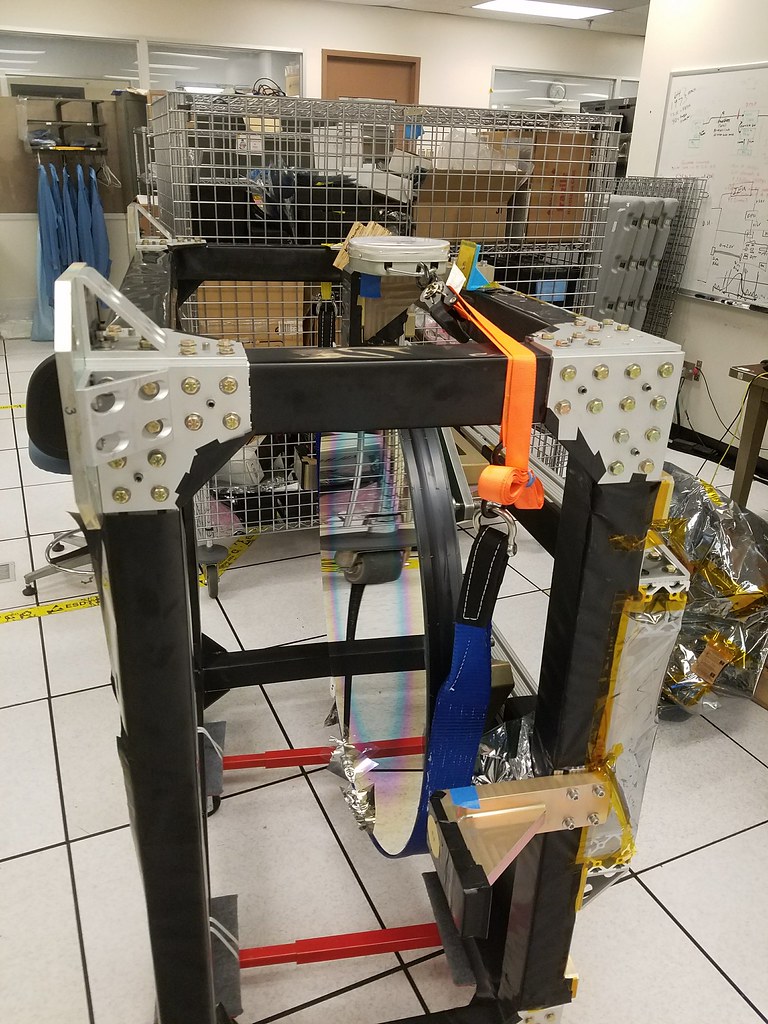
Webbing slings are soft, wide bands made from materials like polyester or nylon. They are ideal for lifting delicate or surface-sensitive items since the soft webbing spreads the force across a larger area, preventing scratches and dents on the load. Webbing slings are available as flat or tubular versions, and the ends are reinforced for added durability. Many find them useful for carefully lifting painted machinery, fragile equipment, or even boats.
Round Slings
Round slings have a circular design, created by wrapping a strong core of fibers inside a protective outer sleeve. This endless loop allows the sling to handle difficult, heavy, or irregularly shaped loads easily. These slings are color-coded to make it simple to identify their lifting capacity quickly. Their smooth, soft surface makes them safe for lifting valuable or easily damaged objects where scraping or sharp bends need to be avoided.
Wire Rope Slings
Wire rope slings combine the strength of metal with enough flexibility for loading and securing heavy materials. Typically used in construction, factories, or shipyards, these slings excel where extra resistance to wear or local damage is needed. Special care is required, however, to prevent rust or fatigue from developing over repeated use, which could compromise safety.
Next-Gen Synthetic Slings
Today, there are slings made from very high-performance fibers like Dyneema or other special synthetic materials. These slings are extremely strong for their weight and are not easily affected by water, chemicals, or sunlight. Because they are light to handle yet support great weight, they are used in modern projects that require lifting massive loads without adding a lot of extra equipment weight.
The Growing Market for Lifting Slings
The lifting slings industry is seeing steady growth worldwide, as industries expand and workplace safety standards become more important. Improved manufacturing technology, stricter demand for safe handling tools, and digital identification like barcodes and RFID tags now play a big role in how slings are made and tracked. With builders, logistics companies, and factories on the rise globally, more businesses are investing in reliable lifting sling solutions.
Safety: Questions and Pitfalls
Why Check Slings Regularly?
Many accidents happen when worn, frayed, or damaged slings go unnoticed. Before each use, always carefully look each sling over for cuts, worn patches, or damaged parts. Check their tags for safe loading limits and make sure everything is in good condition.
Can You Tie a Knot or Twist a Sling?
No – never tie knots or twist a wokring sling. Doing so significantly weakens its strength and could lead to snapping under load. Always keep the sling flat and untangled, and avoid sharp moves or jerks while lifting.
How Do You Choose the Right Sling?
Picking the right sling isn’t just about the weight of the object. You also need to consider the load shape, required protections for surfaces, the work environment, and how often you will be using the sling. As an example, use chain slings around high heat, webbing slings when dealing with fragile items, or smart synthetic slings for big lifts that need lightweight gear.
Challenges and Improvements
There are some ongoing challenges when using lifting slings. For smaller businesses, regularly inspecting each sling can be time-consuming. Certain working environments filled with heat or harsh chemicals may speed up wear and shorten sling lifespan. Training workers also takes time and money, but safety is non-negotiable. The good news is that new fibers, better coatings, and digital technologies are making slings last longer and tracing their safety histories easier. As industries keep growing, the need for safer ways to lift heavy things gives companies a good reason to invest in better gear.
Best Ways to Use Lifting Slings
- Buy certified slings only from reputable suppliers to make sure you’re using safe and approved equipment.
- Check for damage, labeling, and missing parts each time before using the sling.
- Use extra guards or sleeves anywhere the sling meets sharp or rough edges.
- Match your sling type and rated strength to the weight and shape of your specific lift.
- Avoid shock loading or swinging the load and always use proper lifting angles.
- When not in use, clean and store slings in a dry, cool spot away from sunlight and chemicals.
- Train all operators to spot damage, use slings correctly, and know emergency procedures.
Choosing the correct lifting sling does more than make heavy work easier – it protects people, equipment, and the workplace. As materials and technology advance, new types of slings help every industry hoist loads more safely and efficiently. Simple habits like careful inspections and picking the right tools create a work environment where expensive accidents are avoided and jobs get done smoothly. Stay current with safety, make smart choices, and your lifting operations will stay strong for the future.


